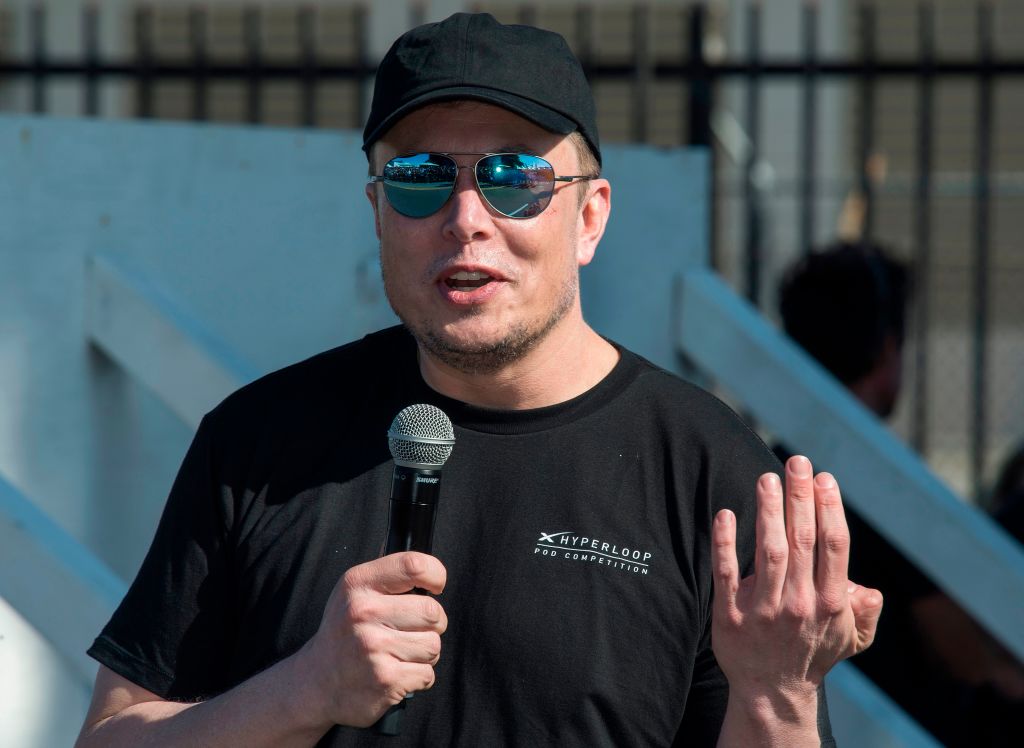




Elon Musk gave Twitter employees a vision of what the future might hold if his deal to buy the social media platform goes through, as he spent about an hour on Thursday answering questions.
The session was the first time Musk has spoken directly to Twitter’s roughly 8 thousand employees since he agreed to buy the company in April, according to The New York Times.
Musk said Twitter’s business model needs to change.
“Right now, costs exceed revenue,” he said. “That’s not a great situation.”
The website Recode published what it said was a transcript of Musk’s comments in which he added, “There would have to be some rationalization of headcount and expenses to have revenue be greater than cost. Otherwise, Twitter is simply not viable or can’t grow.
“So, yeah, I think it would just be dependent on you know, like I said, anyone who’s obviously a significant contributor should have nothing to worry about. I do not take actions which are disruptive to the health of the company.”
Asked a question about diversity and inclusion, Musk had a different system in mind.
“From a company standpoint, I believe in a sort of strict meritocracy, so whatever, you know, whoever’s doing great work, great, they get more responsibility and authority. And that’s that,” he said.
The transcript offered hints about Musk’s philosophy as Twitter’s owner in terms of how he values an employee.
“It’s like, if somebody is getting useful things done, then that’s great. But if they’re not getting useful things done, then I’m like, okay, why are they at the company?” he said.
“If somebody’s getting stuff done, great, I love them. And if they’re not, I don’t like that and I do not love them. It’s pretty straightforward,” he said.
Musk indicated he’s not a fan of remote work.
“The bias there definitely needs to be strongly toward working in person. But if somebody is exceptional, then remote work can be okay. But basically, if their work output is exceptional, then remote work is fine.
“There is some communication impact that one takes when working remotely because if you’re with people, and they’re just a few desks away, it’s very easy to communicate in real time, but it’s much harder to do that if you’re in different physical locations.
“So I do want to emphasize that the bias is very much toward in-person work. It’s just that it would obviously be insane if someone is excellent at what they do but can only work remotely, to then fire them even though they’re doing excellent work,” he said.
Musk said company morale requires people to know their co-workers.
“Even if somebody’s working remotely, they gotta show up at the office occasionally so that they recognize their colleagues and don’t walk down the street and pass your colleagues and you don’t recognize them. That would not be good,” he said.
Musk said that in terms of content. Twitter must balance competing issues.
“We have to strike this balance of allowing people to say what they want to say but also make people comfortable on Twitter, or they simply won’t use it,” he said.
“I mean, to be clear, the standard is much more than not offending people. The standard is, should be, that they’re very entertained and informed. Like, you could not offend someone, but you could also bore them and show a bunch of content that they don’t find interesting, and then they will not use the service or they will use it less,” he said later in the session.
“I think people, we should allow people to say what they want, post what they want, within the bounds of the law. But that’s different from them being able to reach people who don’t want to be reached with that content. So if that content is offensive to people, they will, those people will simply stop using Twitter. So it’s important to make Twitter as attractive as possible. And really, that means not showing people content that they would find hateful or offensive, or even frankly content they would find boring is not good,” he said.
Musk also offered a window into how he sees himself as CEO of Twitter.
“What I really just want do is, like, drive the product and improve the product, and then it’s like, basically, software and product design. So you know, I don’t mind doing other things, you know, related to operating the company, but there are chores. There’s a lot of chores to do as CEO,” he said.
“Obviously, people do need to listen to me. If I say, like, ‘Hey, we need to improve the product and find ways and make the following changes, add these features.’ Then, you know, I do expect that people listen to me, in this regard,” he said.
This article appeared originally on The Western Journal.